
In the world of Retail Tech, buzzwords come and go. First, it was “Omnichannel.” Then it was “Headless.” Now, the industry is obsessed with Composable Commerce.
But unlike many buzzwords, this one represents a fundamental shift in how businesses buy software. It is the end of the “All-in-One” era and the beginning of the “Best-of-Breed” era.
So, what is it?
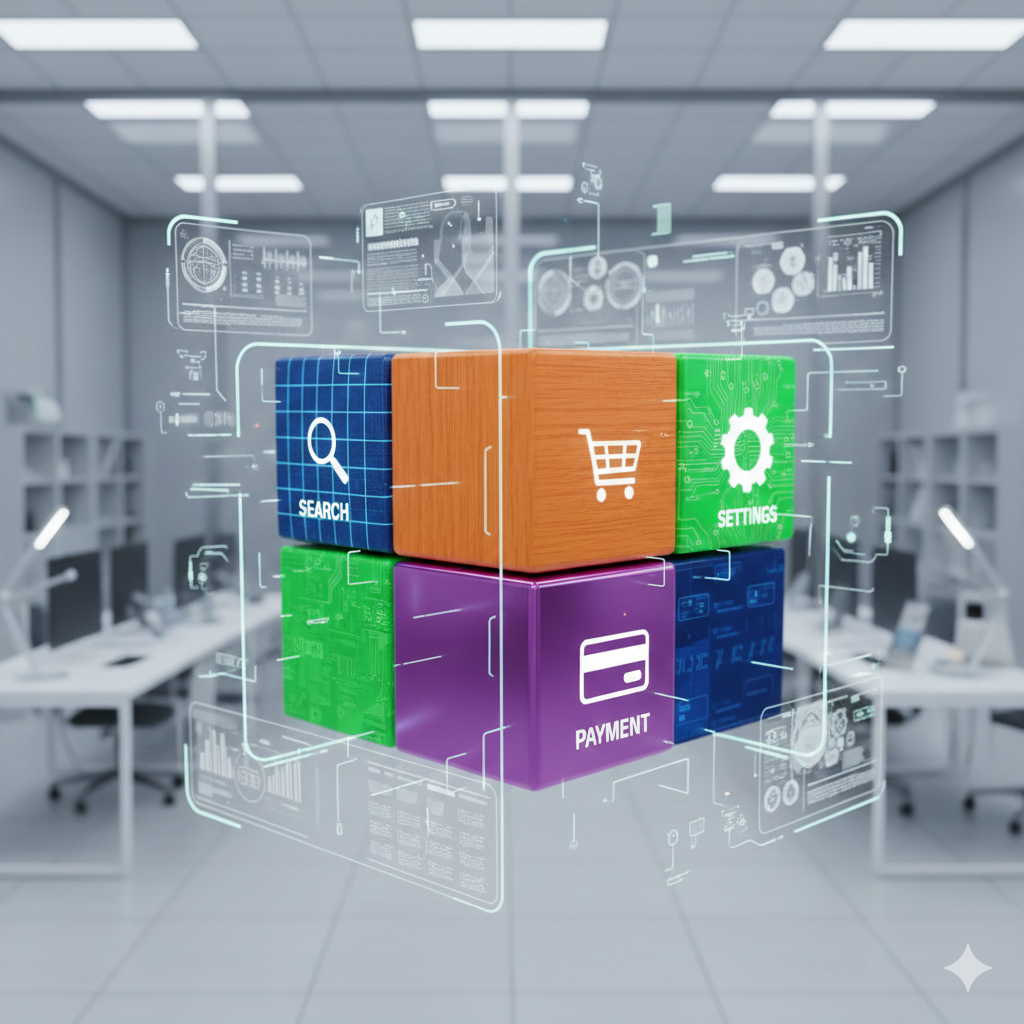
Composable Commerce is a development approach where you build your e-commerce system by selecting the best individual components (like payment, search, or content) and combining them into a custom application, rather than buying one giant, pre-packaged software suite.
To understand why this matters, we first have to look at the old way: The Monolith.
The Old Way: The “Swiss Army Knife” (Monolith)
For years, if you wanted an online store, you bought a massive software suite (like early versions of SAP Hybris, Oracle ATG, or Salesforce Commerce Cloud).
It came with everything: the database, the storefront, the checkout, the blog, and the inventory system.
Real World Analogy: The Swiss Army Knife A Swiss Army Knife is a Monolith.
- It has a knife, a corkscrew, a scissor, and a toothpick all stuck together in one handle.
- The Pro: It’s convenient. You buy one thing, and you have it all.
- The Con: It’s mediocre at everything. The scissors are tiny; the knife is small.
- The Dealbreaker: If the toothpick breaks, or you want a better pair of scissors, you can’t just swap them out. You have to throw the whole knife away and buy a new one.
In software, this meant if you hated your “Search” function but loved your “Checkout,” you were stuck. You couldn’t upgrade just the Search without upgrading the entire massive platform (which could take years).
The New Way: The “Hi-Fi Stereo System” (Composable)
Composable Commerce breaks that Swiss Army Knife apart.
Instead of one giant vendor, you choose different vendors for different jobs. You might use Stripe for payments, Algolia for search, Contentful for your blog, and commercetools for your cart.
You compose your solution using these independent pieces, often called Packaged Business Capabilities (PBCs).
Real World Analogy: The Audiophile’s Stereo System Think of Composable Commerce like building a high-end home theater.
- You buy the Speakers from Bose (because they make the best sound).
- You buy the TV from Samsung (because they have the best screen).
- You buy the Console from Sony (PlayStation).
The Magic: They all connect via standard cables (APIs).
If Samsung releases a better TV next year, you don’t have to throw away your Bose speakers. You just unplug the TV, buy the new one, and plug it in. Your system evolves piece by piece.
Why “Best of Breed” Wins
This approach allows retailers to use a “Best of Breed” strategy.
- Agility: You can launch a new feature (like a new Chatbot) in weeks, not months, because you just “plug it in.”
- No Vendor Lock-in: If your Search provider raises their prices, you can unplug them and switch to a competitor without rebuilding your whole site.
- Performance: Instead of using a mediocre built-in tool, you use a specialist tool that does one thing perfectly.
Composable vs. Headless: What’s the Difference?
You will often hear these two terms used together.
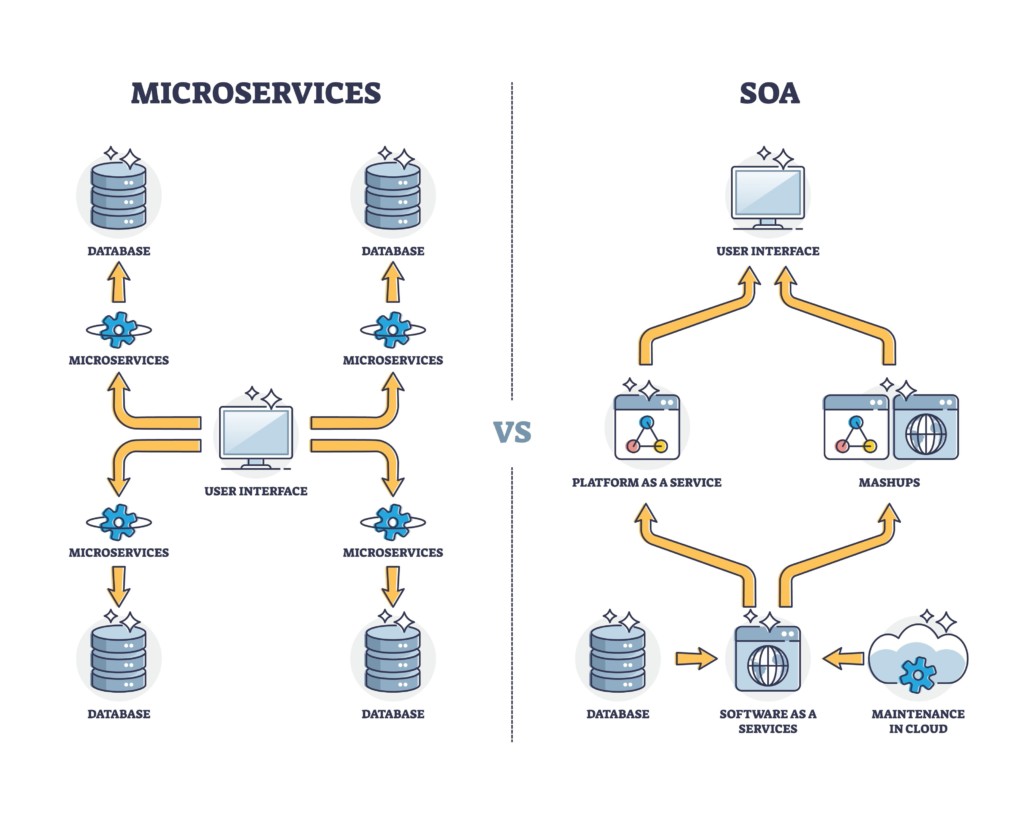
- Headless is the first step. It means chopping the “Head” (Frontend website) off the “Body” (Backend).
- Composable is the next step. It means chopping the “Body” into little organs (Search, Cart, PIM, OMS) that function independently.
You can be Headless without being Composable. But you cannot be Composable without being Headless.
Summary
Composability is about freedom.
- The Monolith forces you to accept a “Good Enough” default for every feature.
- Composable Commerce gives you the power to curate the perfect set of tools for your specific business needs.
It is more complex to manage (you have more contracts and connections), but for modern brands that need to move fast, the flexibility is worth it.